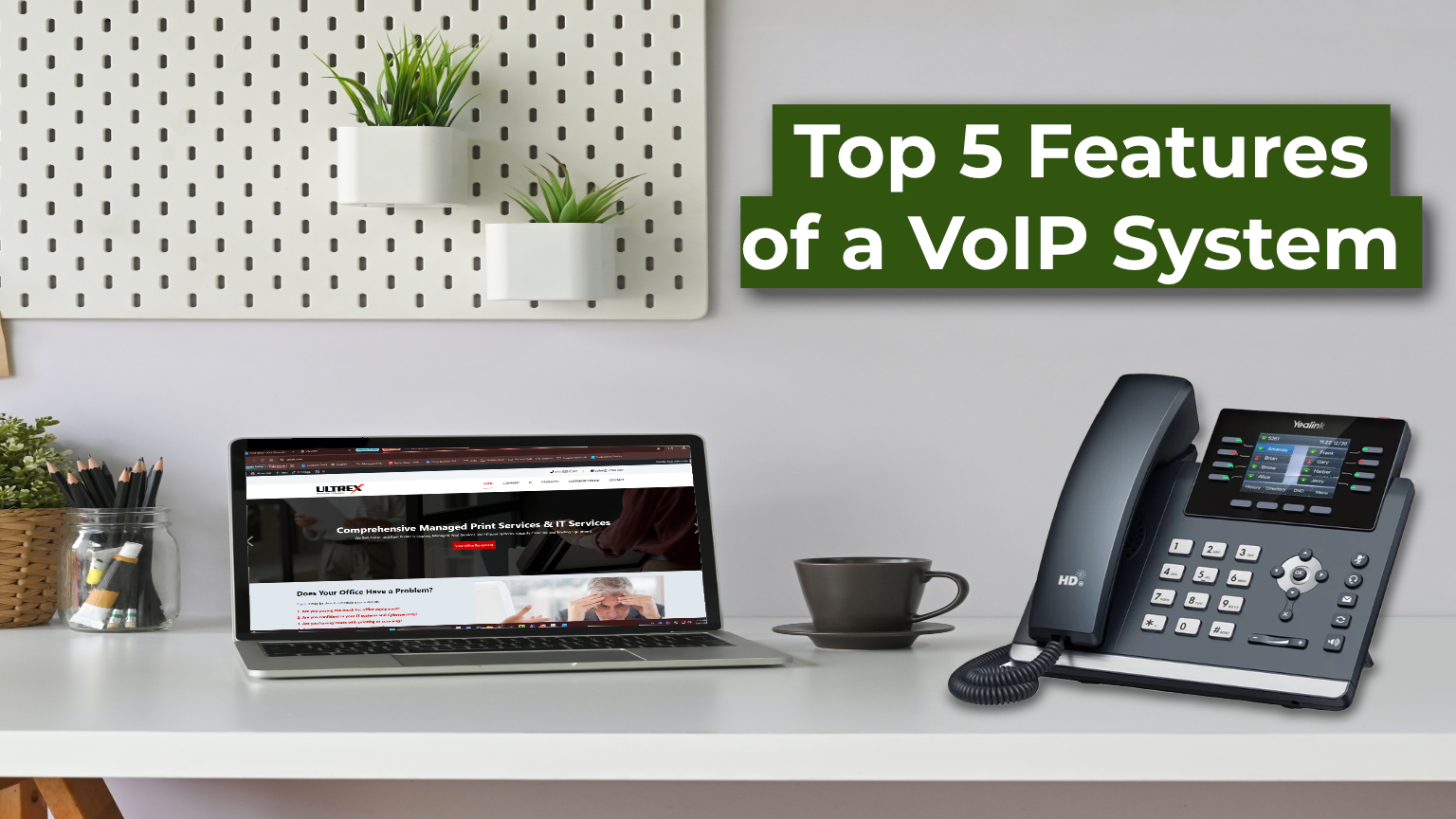
Top 5 Features of a VoIP System (And Why They Matter to Your Business)
Why It Matters
Most businesses don’t think about their phone system until it stops working — or until it clearly can’t keep up anymore.
VoIP (Voice over Internet Protocol) has become the default choice for modern organizations not because it’s trendy, but because it solves real problems: flexibility, cost control, and better communication. Still, not all VoIP systems are created equal.
If you’re evaluating options or wondering whether your current setup is doing enough, here are the five VoIP features that actually move the needle for businesses.
1. Call Routing & Auto Attendants
No one likes dialing a company and feeling lost.
Auto attendants and intelligent call routing make sure calls get to the right person — fast.
With this feature, you can:
- Route calls by department, time of day, or caller input
- Create professional greetings without a live receptionist
- Reduce missed calls and unnecessary transfers
Think of it as a traffic director for your phone system. Calls move smoothly instead of piling up at the front desk.
2. Mobility & Remote Access
Work doesn’t happen at one desk anymore.
A strong VoIP system lets employees make and receive business calls from:
- Desk phones
- Mobile apps
- Softphones on laptops
Calls still show your business number, not a personal cell phone. That means your team can work from home, the road, or a second office without breaking communication — or professionalism.
3. Call Analytics & Reporting
You can’t improve what you can’t see.
VoIP reporting tools provide insight into:
- Call volume and peak times
- Missed or abandoned calls
- Average hold and talk times
These metrics help businesses staff more effectively, identify service gaps, and make smarter decisions. It’s less about spying and more about understanding how communication really works day to day.
4. Scalability Without the Headache
Traditional phone systems don’t scale gracefully.
VoIP systems are built to grow with you:
- Add or remove users without new hardware
- Spin up new locations quickly
- Adjust features as your business changes
Whether you’re hiring five people or opening a new office, VoIP scales like software — not construction.
5. Integration with Business Tools
Your phone system shouldn’t live on an island.
Modern VoIP platforms can integrate with:
- CRMs
- Help desk software
- Microsoft Teams or collaboration tools
This means call logs, recordings, and customer context can live where your team already works. Fewer tabs. Less friction. Better conversations.
Why These Features Matter
At its core, VoIP isn’t about phones — it’s about how your business communicates.
The right features reduce friction for customers, give employees flexibility, and provide leaders with visibility. The wrong setup creates dropped calls, confused callers, and unnecessary workarounds.
Final Thought
A VoIP system should feel invisible when it’s working right — reliable, flexible, and quietly supporting the business behind the scenes.
If you’re questioning whether your current phone system still fits how your team works today, that’s usually a sign it’s time to look closer.
Ultrex helps businesses design VoIP solutions that fit their operations — not the other way around. If you’d like to talk through what makes sense for your team, we’re always happy to start with a conversation.